


For more than a decade, foreign nationals who had spent time in the U.S. without legal status could often rely on Advance Parole to travel abroad and return without triggering severe immigration penalties. However, a major legal decision has flipped that rule on its head, making travel on Advance Parole significantly riskier for many immigrants.
How Advance Parole Used to Work
To understand this new legal decision, it’s important to understand the backstory of what has changed. In the United States, if you accrue more than 180 days of unlawful presence and then leave, you trigger a 3-year ban from returning. If you accrue 1 year or more, leaving triggers a 10-year ban.
However, there was an exception. Under a 2012 ruling (Matter of Arrabally and Yerrabelly), immigration authorities decided that leaving the U.S. temporarily using Advance Parole did not count as a departure for these bars.
This meant individuals with past unlawful presence could travel abroad with Advance Parole and re-enter the country without triggering a multi-year ban.
Board of Immigration Appeals Update
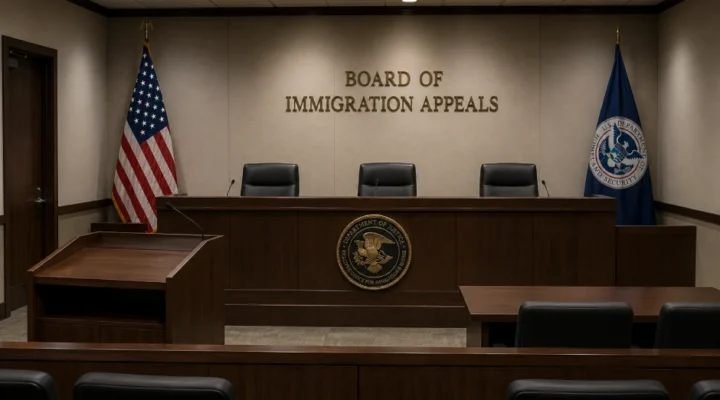
On August 13, 2026 (Matter of Delcarmen-Lara), the Board of Immigration Appeals (BIA) officially overruled that 2012 decision. The BIA now considers any trip outside the United States on Advance Parole to be an official “departure.”
As a result, if you have accrued enough unlawful presence in the past, traveling abroad on Advance Parole can now trigger the 3-year or 10-year unlawful presence bar upon your return.
Having an approved Advance Parole travel document no longer protects you from becoming inadmissible.
Who Will This New Rule Affect?
This ruling primarily affects individuals with a history of unlawful presence who are currently pursuing Adjustment of Status (Form I-485) and wish to travel abroad.
For instance, a foreign national who entered on a B-2 visitor visa, overstayed, and was later sponsored by an immediate relative, such as a U.S. citizen spouse or child, can generally have their unlawful presence overcome through the green card process.
However, while their I-485 application is pending, traveling outside the United States using Advance Parole now carries severe risks. Under the new policy, departing the U.S. on Advance Parole is formally recognized as a departure, immediately triggering the 3-year or 10-year unlawful-presence bar and jeopardizing their ability to return.
Key Takeaways and What You Should Do
The BIA noted that this new rule applies moving forward from August 13, 2026. If a travel bar is triggered, you may need an approved waiver before you can be granted permanent residence or re-entry.
Do not assume an approved Advance Parole card guarantees a safe return.
While this decision is highly likely to be challenged in federal appellate courts, anyone with a history of unlawful presence should consult a qualified immigration lawyer before making travel plans or stepping outside the country.